
Featured Works
The conference brought together visual artists, performers, and scholars whose work engages with Jewish themes. Below is a curated selection of pieces that were part of the conference programming and related exhibitions.
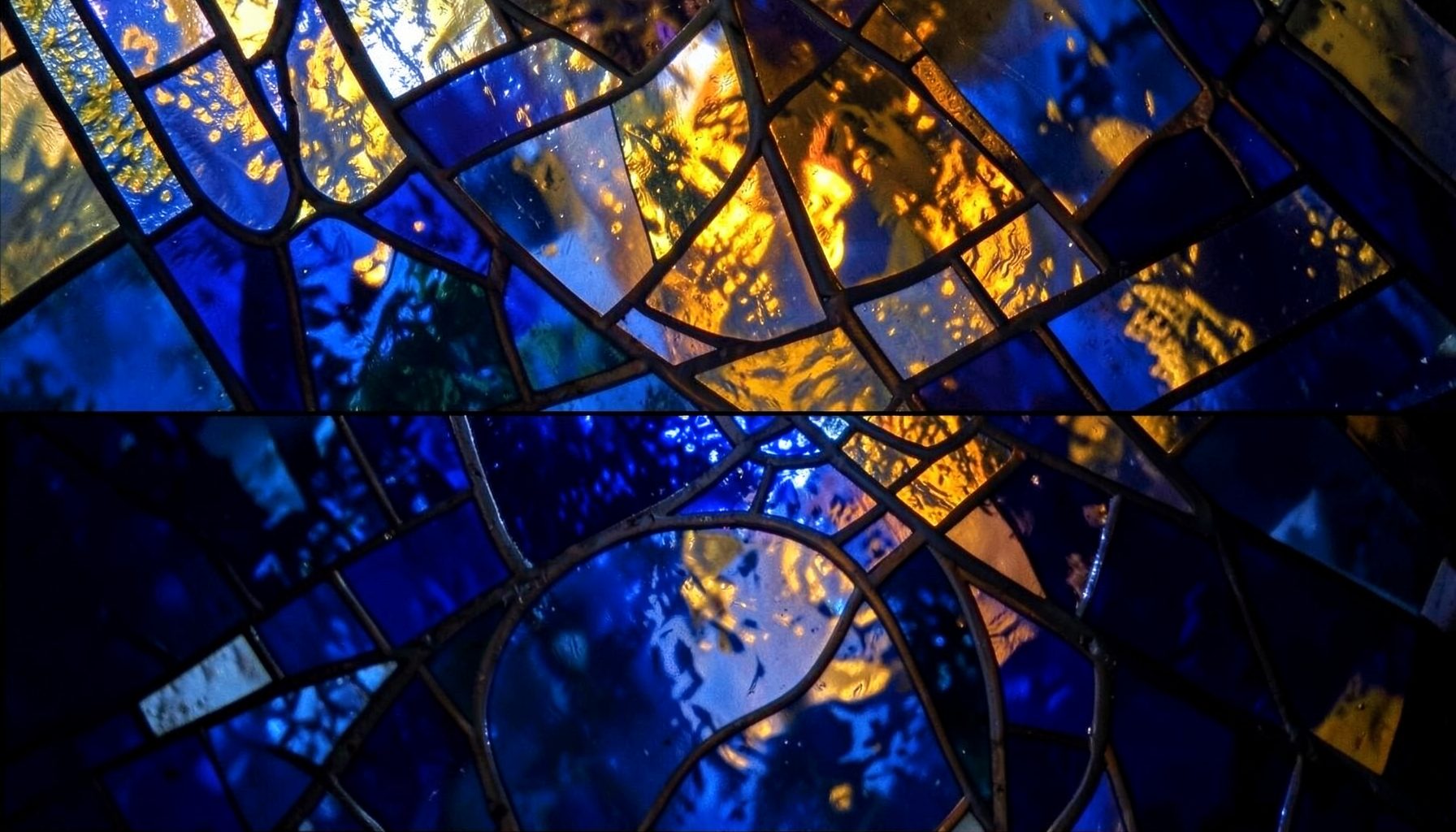
Header Artwork
Tom Block, whose work served as the visual identity for the conference. © 2007 The Board of Regents of the University of Wisconsin System.
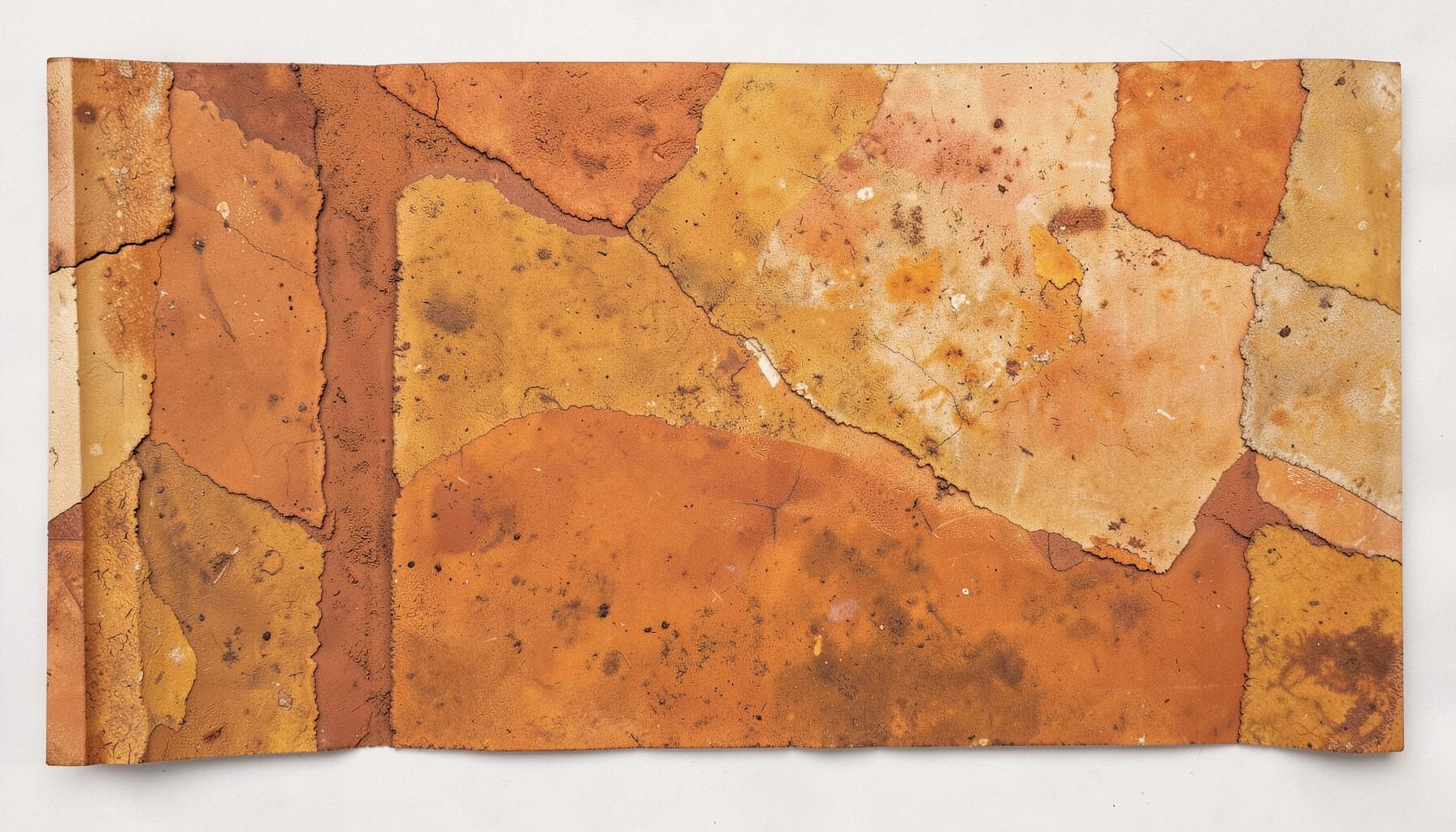
Text & Tradition
Works exploring the visual dimensions of Jewish textual heritage, complementing talks on visual culture in Judaism.

Ritual & Practice
Pieces reflecting the lived, embodied dimensions of Jewish practice — a theme central to the conference's exploration of identity.

Memory & Identity
Artworks engaging with memory, diaspora, and the formation of Jewish identity in contemporary contexts.

Abstraction & Revelation
Abstract works resonating with conference discussions on revelation and the ineffable in art.
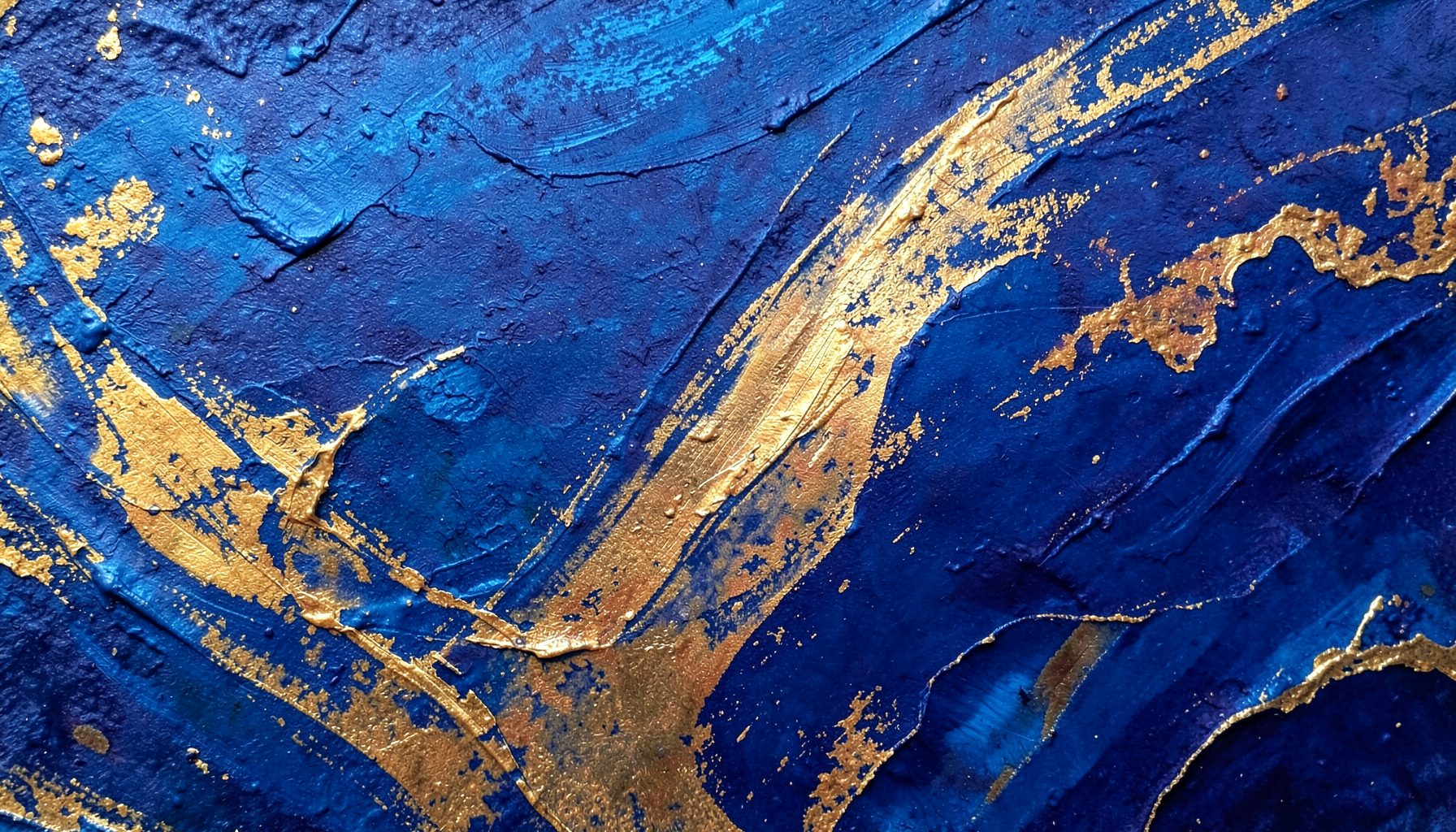
Cultural Threads
Layered compositions reflecting the weaving together of artistic practice, cultural heritage, and spiritual inquiry.
About the Exhibition
The gallery complemented the conference's interdisciplinary approach, bringing together visual art, dance documentation, and multimedia works. Venues including the Wisconsin Union Theater and Hillel in Madison, WI, hosted portions of the visual programming alongside the talks and keynote sessions.
For more on the people behind these works, visit the Participants page. For broader context on the conference, see About.
The gallery section of this site offers more than a visual record of conference programming; it serves as a study aid for graduate students exploring the intersection of art, faith, and academic inquiry. For those writing dissertations or theses on visual culture, religious studies, or Jewish textual traditions, viewing curated artworks can spark fresh angles for research questions and chapter organization. Browsing the featured pieces helps writers observe how themes such as ritual, tradition, and identity are expressed visually, providing concrete material to cite and analyze within their own scholarly arguments. This curated collection thus functions as both an archive and a starting point for deeper academic exploration.
Graduate researchers often struggle with structuring a dissertation that integrates visual analysis alongside written sources. The works displayed in this gallery offer practical examples of how imagery can be woven into a literature review, methodology section, or case-study chapter. Students drafting proposals on art history, theology, or cultural studies may find that examining these pieces sharpens their ability to articulate visual arguments in clear, academic prose. By engaging with the artworks presented here, writers can build confidence in describing, interpreting, and contextualizing visual material, a skill that proves valuable when composing manuscripts, defending their work, and preparing for publication in peer-reviewed venues.
For students seeking writing assistance, the gallery reinforces a key lesson: strong academic writing emerges from careful observation and thoughtful interpretation. Just as an artist selects composition, color, and symbolism to communicate meaning, a dissertation writer must choose evidence, structure, and language to build a persuasive thesis. The pieces showcased here invite viewers to practice close reading and critical analysis, habits that transfer directly to dissertation and thesis work. Whether you are developing a proposal, drafting chapters, or revising conclusions, approaching your subject with the same attention to detail demonstrated by these artworks will elevate the quality of your final manuscript and support a successful defense.
Beyond its academic value, this gallery illustrates the broader mission of the conference and the writing community behind it: fostering thoughtful engagement with complex topics. Students working on dissertations about heritage, community, or cultural memory can draw inspiration from how these artworks address such themes. The visual works encourage writers to consider multiple perspectives, question assumptions, and explore how meaning is constructed across different media. These reflective practices are essential for producing original, well-supported research. As you browse the collection, let it remind you that rigorous scholarship and creative expression share common ground, and that both benefit from patience, curiosity, and a willingness to revisit familiar subjects from new angles.