Conference Schedule
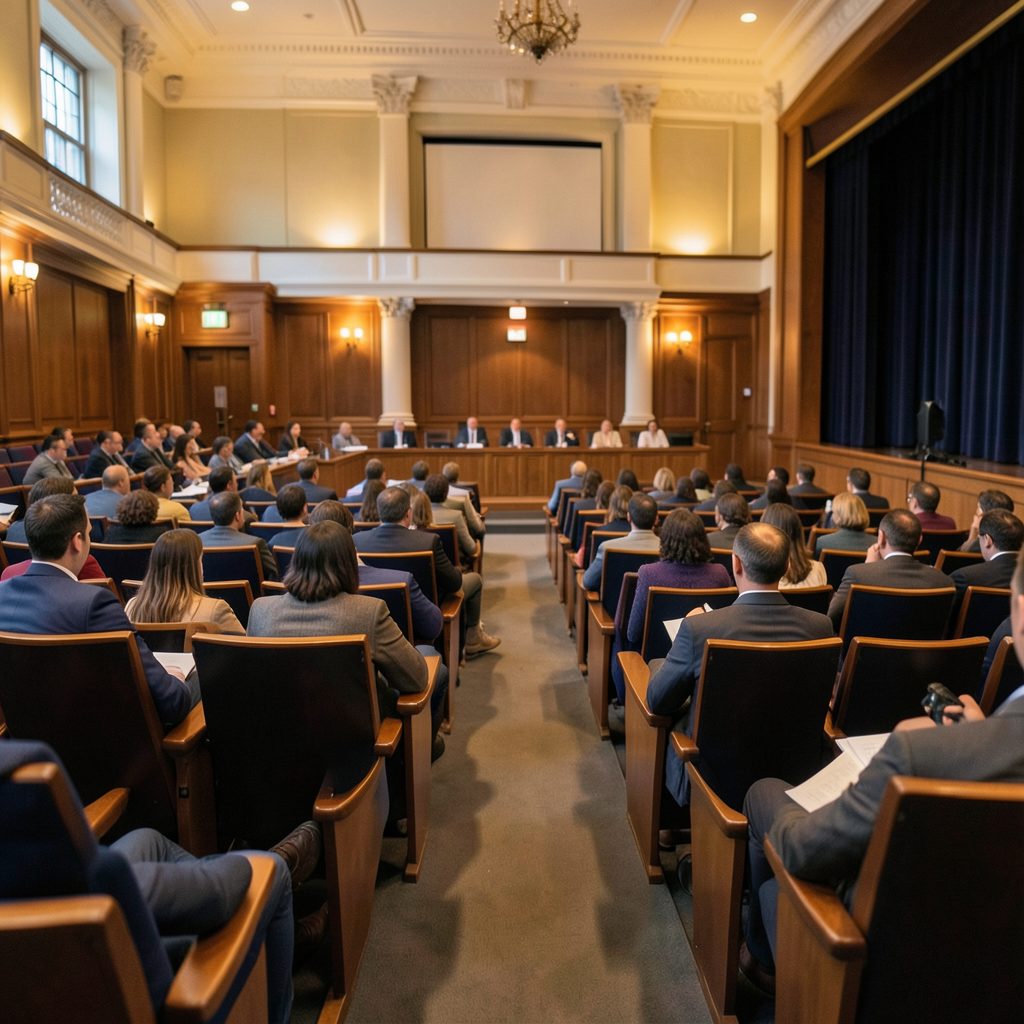
All sessions took place during the week of Monday, April 23. The program brought together scholars, artists, and community members for a wide-ranging exploration of Jewish art, identity, and culture.
Planning a dissertation or thesis can feel overwhelming, but a well-structured schedule is the single most effective tool for staying on track. Breaking your project into manageable phases—such as topic selection, proposal drafting, literature review, data collection, analysis, and final editing—allows you to make steady, visible progress without sacrificing quality. Experienced academic writers recommend setting realistic weekly goals and building in buffer time for unexpected delays. By treating your writing timeline with the same seriousness as a conference program, you create accountability and momentum, ensuring that each chapter receives the attention it deserves before your final submission deadline arrives.
Selecting a strong dissertation topic is often the hardest part of graduate study, and it sets the foundation for everything that follows. A compelling topic should be specific enough to be manageable, yet broad enough to sustain meaningful research and analysis. Look for gaps in existing literature, questions that genuinely interest you, and subjects where you can demonstrate original thinking. Many students benefit from consulting writing guides and sample proposals to see how successful researchers frame their questions. Taking time to refine your topic early can prevent costly revisions later, saving you weeks of frustration and helping you produce work that contributes something new to your field.
The literature review is the backbone of any credible dissertation, demonstrating that you understand the scholarly conversation surrounding your topic. A strong review does more than summarize sources—it synthesizes findings, identifies debates, and reveals where your own research fits. Organize your reading systematically, using citation management tools and detailed notes to track key arguments across authors and time periods. Professional writing services and manuals emphasize the importance of staying current with recent publications in your discipline. A well-executed literature review not only strengthens your methodology but also gives examiners confidence that your work is grounded in rigorous academic practice.
Editing and proofreading are where good dissertations become excellent ones, and these final stages deserve as much care as your initial drafting. Beyond correcting grammar and punctuation, effective editing involves checking citation formatting, ensuring consistent style throughout, verifying that each chapter connects logically to the next, and confirming your argument builds toward a persuasive conclusion. Many graduate students underestimate how long this phase takes, so plan for multiple revision passes. Whether you work with an expert editor or develop your own systematic checklist, thorough editing can dramatically improve clarity and professionalism. A polished manuscript reflects your dedication and leaves a lasting impression on your committee and future readers.
Sessions continued with talks on Jewish visual culture, postmodern dance and Jewish masculinity, and Jewish women in the arts. Full details were available in the printed program.
Midweek programming included additional panels and discussions exploring revelation in art and contemporary Jewish identity.
Thursday's sessions featured further scholarly presentations and artist talks. Evening programming was held at partner venues.
Friday continued with panels and discussions, with select events at Hillel in Madison.
The conference concluded on Saturday with closing sessions and final remarks.
Venues
Sessions were held across several locations in Madison, Wisconsin:
Hillel
Select sessions and community gatherings.
Madison, WI
Questions?
For inquiries about the conference program, please contact info@conneyconference.org.